Best Paper Trading Platforms in 2026
Two things are true about paper trading and people only ever tell you one of them. Yes, it's the right way to learn mechanics: order types, position sizing, how a stop actually behaves, what your strategy does across fifty trades instead of five. Free tuition. Take it.
The other truth: a simulator cannot make you feel anything, and trading is mostly a feelings-management job. My first live trade taught me more about myself than six months of sim ever did. So paper trade, seriously, but know what the tool can and can't teach before you trust your results.
What I ranked on: fill realism, whether the sim runs on the same platform you'd eventually go live on (this matters more than anything), and what it costs to get in.
1. thinkorswim paperMoney
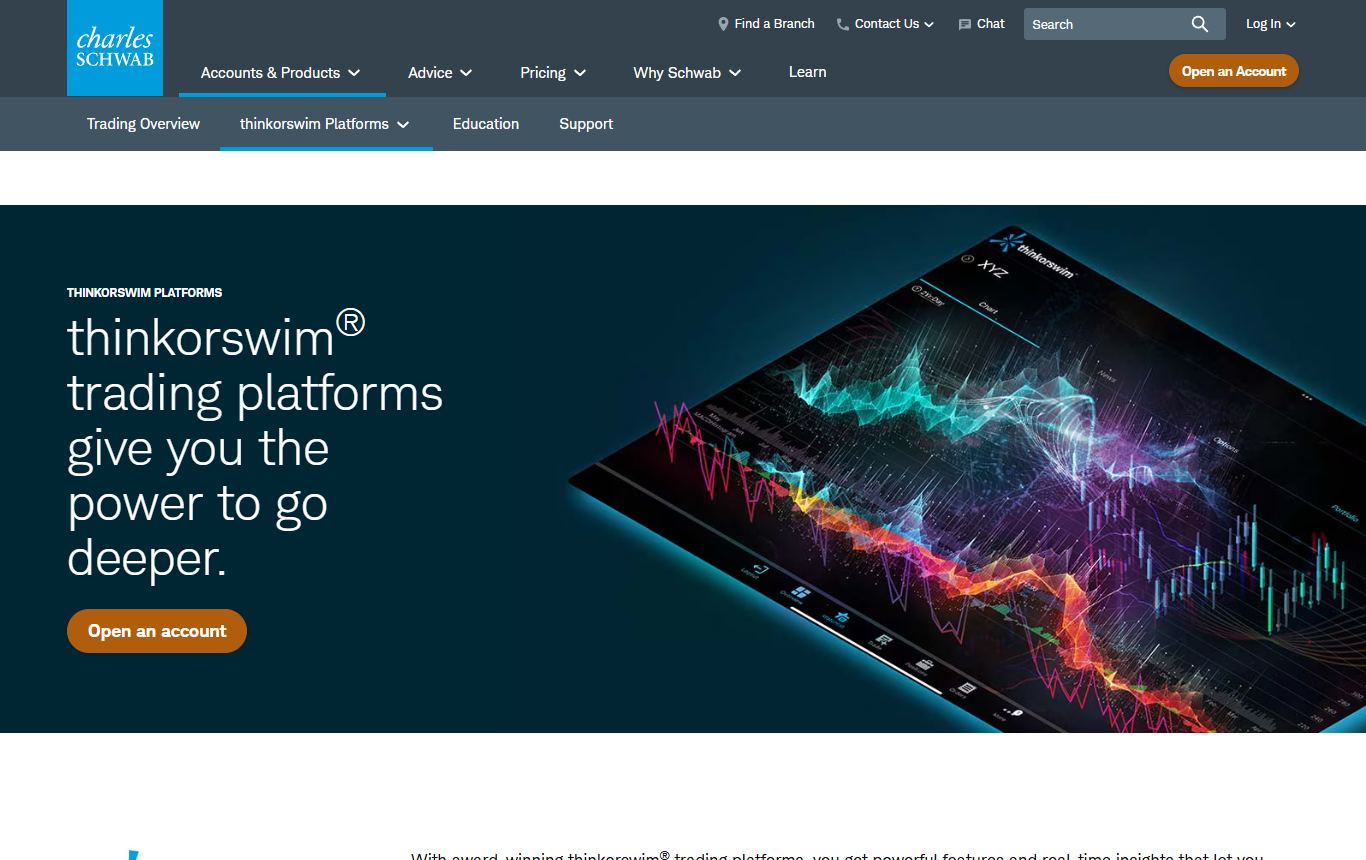
The gold standard, and it isn't close. paperMoney is the entire thinkorswim platform running in simulation: full charting, the best retail options analytics in existence, complex multi-leg orders, futures, all against live market behavior. You're not practicing on a toy version of the real thing. You're practicing on the real thing with fake money, which is exactly what a simulator should be.
The catch: you need a Schwab account to get it, the desktop app remains a system-resource glutton, and sim fills are noticeably friendlier than live ones, especially on wide-spread options. Every paperMoney P&L deserves a haircut before you believe it.
2. NinjaTrader
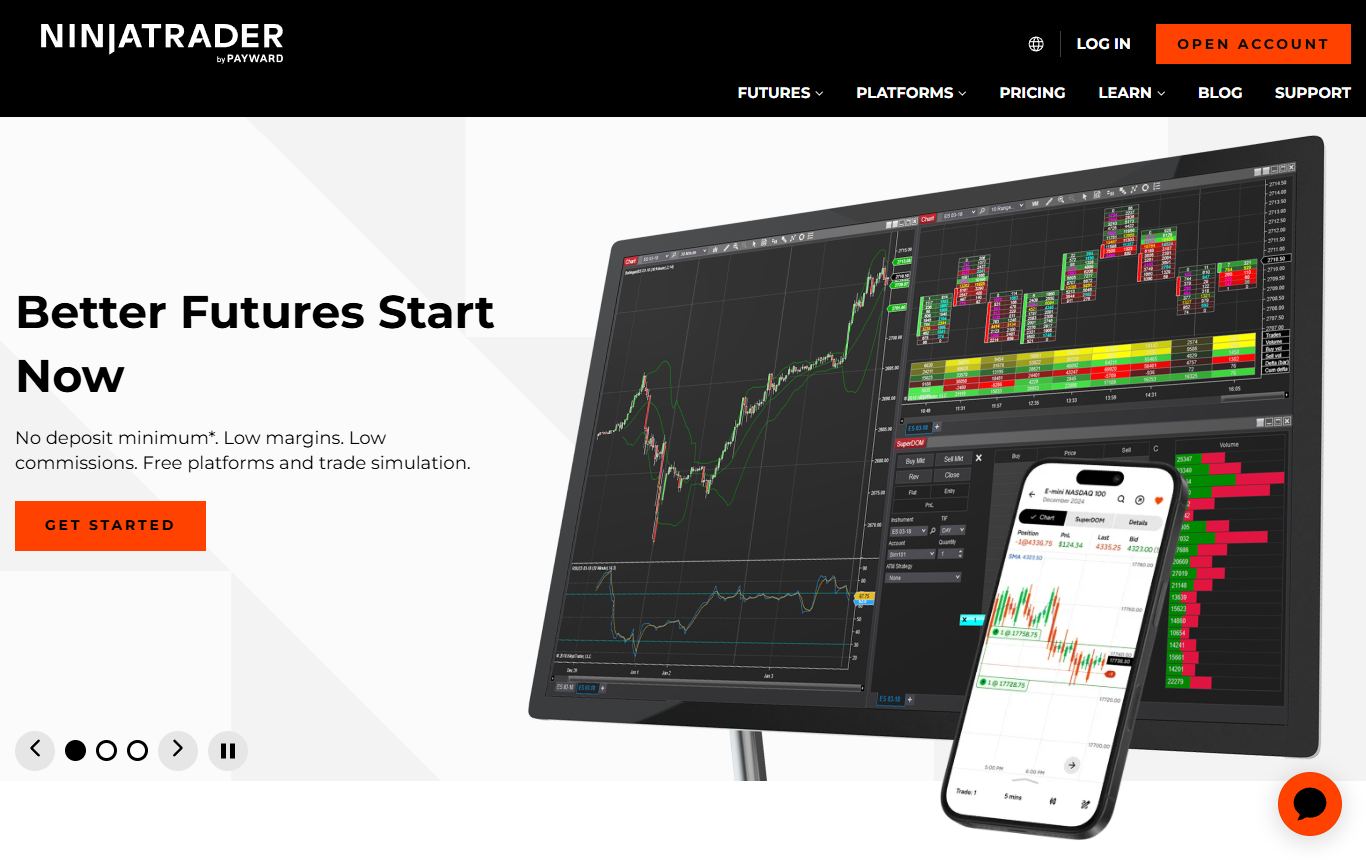
Second place on the strength of one feature nobody else here has: market replay. Download any historical session and trade it tick by tick, at any speed, as many times as you want. Friday's chop, a CPI morning, the open you slept through. That converts practice from "wait for the market to hand you a setup" into deliberate reps on demand, and it's the single most effective training tool I've used. The sim itself is excellent too, particularly for futures.
What bugs me: it's futures-first to its bones, so equity traders are borrowing someone else's gym. Windows-centric, and the learning curve is real. You'll spend your first sessions learning the platform rather than practicing trading.
3. TradingView

Paper trading built directly into the chart, which is its whole appeal. You analyze, you click buy on the exact chart you analyzed, the position marker sits on your levels and judges you. Zero setup friction. For testing whether a strategy's rhythm suits you, entries, exits, how often setups actually appear, it's the fastest feedback loop on this list.
The fine print: the fill engine is simplistic, slippage barely exists, and there's no options depth to speak of. And since TradingView isn't a broker, going live means switching platforms anyway, which surrenders the practice-where-you-play advantage that makes the top two picks so valuable.
4. Interactive Brokers paper account
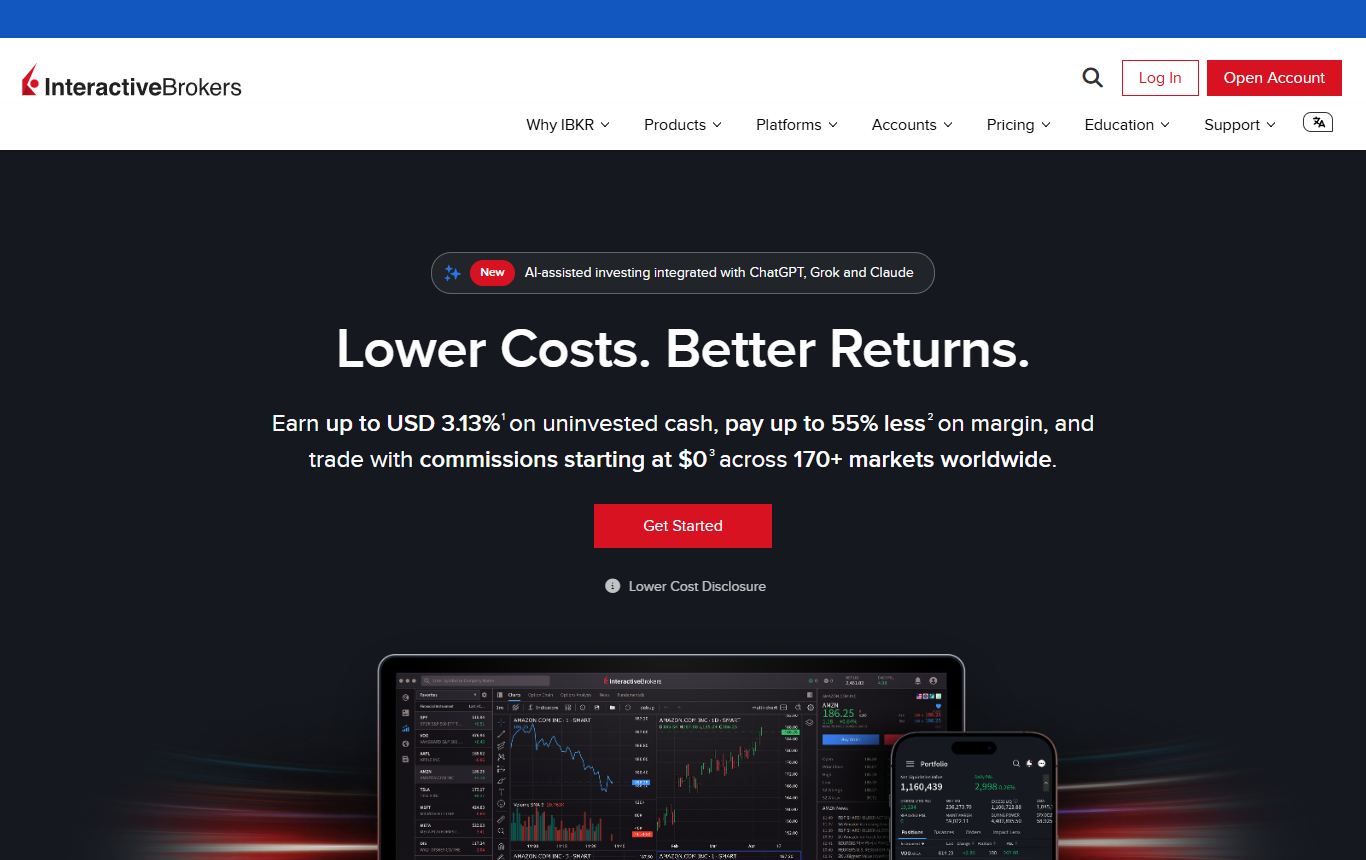
The realism pick. IBKR's paper account mirrors the real thing down to the commissions, margin math, and order-routing quirks, across more global markets than anyone. It's the only sim on this list that practices the ugly parts: what borrowing costs do to a short, how margin requirements shift, why your clever order type got rejected. If your plan involves trading for a living, this is rehearsal for the actual job.
How it burns you: Trader Workstation's interface is famously user-hostile, and a paper account tied to a real application process is the highest-friction start here. Beginners will drown. This one's for people who already know why they want it.
5. Webull
The zero-friction option. Sign up, tap paper trading, done, and the mobile experience is genuinely the best of the bunch for practicing on a phone. For someone who's never placed an order in their life, this is the gentlest possible on-ramp, and the price is nothing.
The drawbacks: it's almost too frictionless. Instant fills at mid, no slippage worth mentioning, confetti-adjacent vibes. It teaches the buttons, not the costs. Learn the mechanics here by all means, then graduate to a sim that argues back before you draw conclusions about your edge.
Bottom line
The best paper trading platform is the one attached to where you'll trade real money, because muscle memory is half of what you're building. That logic makes thinkorswim the default answer and IBKR the professional's answer, with NinjaTrader's replay as the best pure training tool regardless of where you end up. Which circles back to picking the right broker in the first place - I've ranked those separately. And whatever you practice on, write the trades down. Sim results only teach you something if you actually review them.
Read next
- Best Brokers for Trading in 2026 - pick the live platform before you pick the practice one.
- Best Trading Journals in 2026 - how to make sim trades actually teach you something.
- Best Charting Platforms for Trading in 2026 - the analysis side of the workflow.